
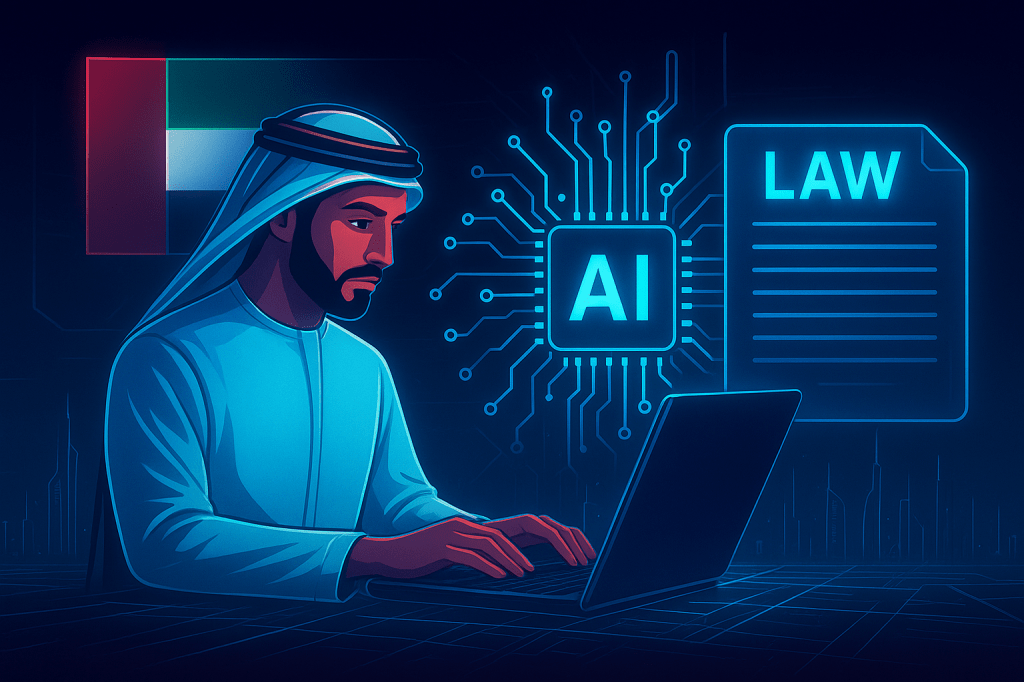
The United Arab Emirates plans to use artificial intelligence to draft, review, and amend national laws
Credit medium.com to read the full article
The United Arab Emirates plans to use artificial intelligence to draft, review, and amend national laws.
“This new legislative system, powered by artificial intelligence, will change how we create laws, making the process faster and more precise,” said Sheikh Mohammed bin Rashid Al Maktoum, the Dubai ruler and UAE vice-president, quoted by state media (Financial Times).
Officials are optimistic:
They estimate that the use of AI could speed up lawmaking by 70% and cut costs by 50%, with the government projecting a 35% boost to GDP by 2030 as a result of broader AI adoption (UAE’s AI Strategy).
The ambition is impressive. But as countries begin to hand legal responsibilities to machines, we’re also forced to ask some serious questions:
· Can we trust AI to legislate with fairness, justice, and human dignity?
· What if biases, hidden deep in training data, quietly shape the rules that govern us?
As a researcher working on AI ethics, I wanted to hear what both experts and everyday users really think about where Artificial Intelligence is heading. So I put together two surveys — one for people working deep in the field, and another for non-experts from all walks of life. What I found was eye-opening. The responses painted a picture that’s thoughtful, often uneasy, and a reminder that while AI might be advancing quickly, our ability to keep it aligned with human values still has a long way to go.
 THE AI PAGE